Scott Lemke

Scott Lemke • July 5, 2026

Warm, Wet Weather Means More Wasps and Yellowjackets
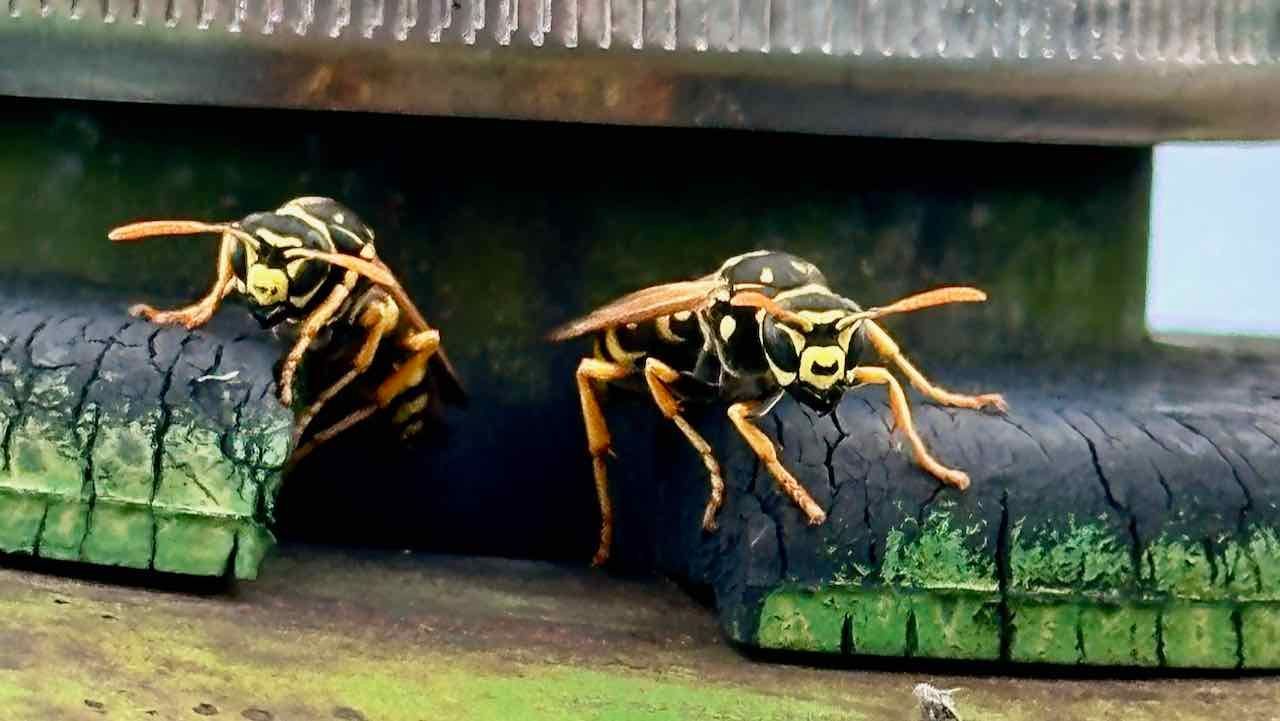
If you've noticed more wasps, yellowjackets, and other stinging insects around your home this summer, you're not imagining it. Warm temperatures combined with frequent rainfall create ideal conditions for these pests to thrive. The moisture supports healthy plant growth and increases insect populations, providing an abundant food source that helps stinging insects build larger, more active colonies.


As summer progresses, wasps and yellowjackets become increasingly aggressive as their nests grow and competition for food intensifies. You may find nests under eaves, inside sheds, beneath decks, in shrubs, or even underground. Disturbing a nest can trigger multiple painful stings, making these pests a serious concern for families, pets, and anyone with allergies.

The best way to protect your property is to stay alert for early signs of nesting activity. If you notice increased wasp traffic or discover a nest, avoid attempting to remove it yourself. DIY treatments can be dangerous and often fail to eliminate the entire colony.


The experienced team at Lemke Pest Control can safely identify the species, remove active nests, and help prevent future infestations. Whether you're dealing with wasps, yellowjackets, hornets, or other stinging insects, we're here to keep your home and family protected all season long. Contact Lemke Pest Control today to schedule an inspection.

By Scott Lemke March 20, 2026
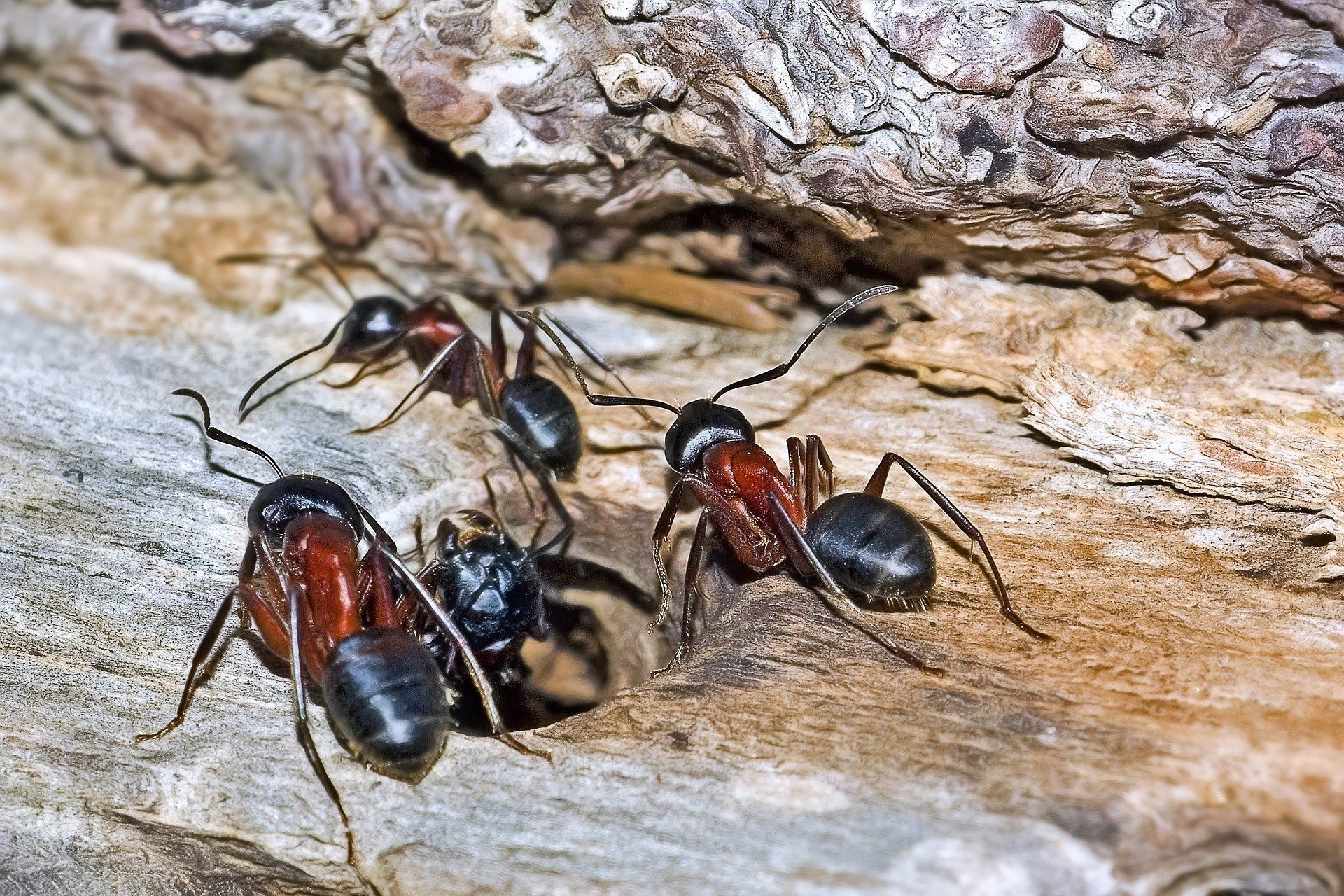
Seasonal temperature changes and ongoing fluctuations can significantly influence ant behavior, often triggering increased activity and accelerated colony growth. As environmental conditions become more favorable, ants are more likely to forage, expand their nests, and seek food and shelter indoors—resulting in a noticeable rise in their presence. Over the coming months, you may observe heightened ant activity both inside and around your property. If this occurs, it is advisable to address the issue promptly to prevent further infestation. We recommend contacting the professionals at Lemke Pest Control, who have the expertise and resources to effectively assess the situation and implement targeted, long-term solutions.
By Scott Lemke April 10, 2021
Springtails are hearty little critters, with the ability to “survive even in the harsh temperatures of Antarctica and the Arctic regions” ( Mallis Handbook of Pest Control, 10th Edition ). So why do we associate springtails with spring? Springtails, similar to other moisture-loving insects, are found close to a water source. Damp basements tend to be a hangout for these guys, especially as the spring thaw gives way to moisture around foundations. The first thing I tell people is to look for the moisture source. Is there a new leak in your home? Is your dehumidifier working properly? Do you have wet, moldy items that need to be discarded? In some cases, springtails move into homes each spring, no matter the extenuating circumstances. This is where Lemke Pest Control can help Rochester-area families. We offer services to treat the cracks and crevices where springtails might try to gain access into your home. During the spring months in southeast Minnesota, warmer temperatures will lead to snowmelt, and April showers will also add to the problem. Typically, by the time drier air moves into an area, we notice a decline in springtail activity. Some years this means we treat multiple times for springtails, and other years we only need to provide one or two treatments. For some homeowners, the location of their home means springtails will always be an issue. While we cannot get rid of these pests entirely, we are able to greatly reduce the population of springtails within the home. So while April showers bring May flowers, we also know they bring springtails and other pests. For more information about how Lemke Pest can help, visit us at www.lemkepest.com.
ant smiling
By Scott Lemke March 22, 2021
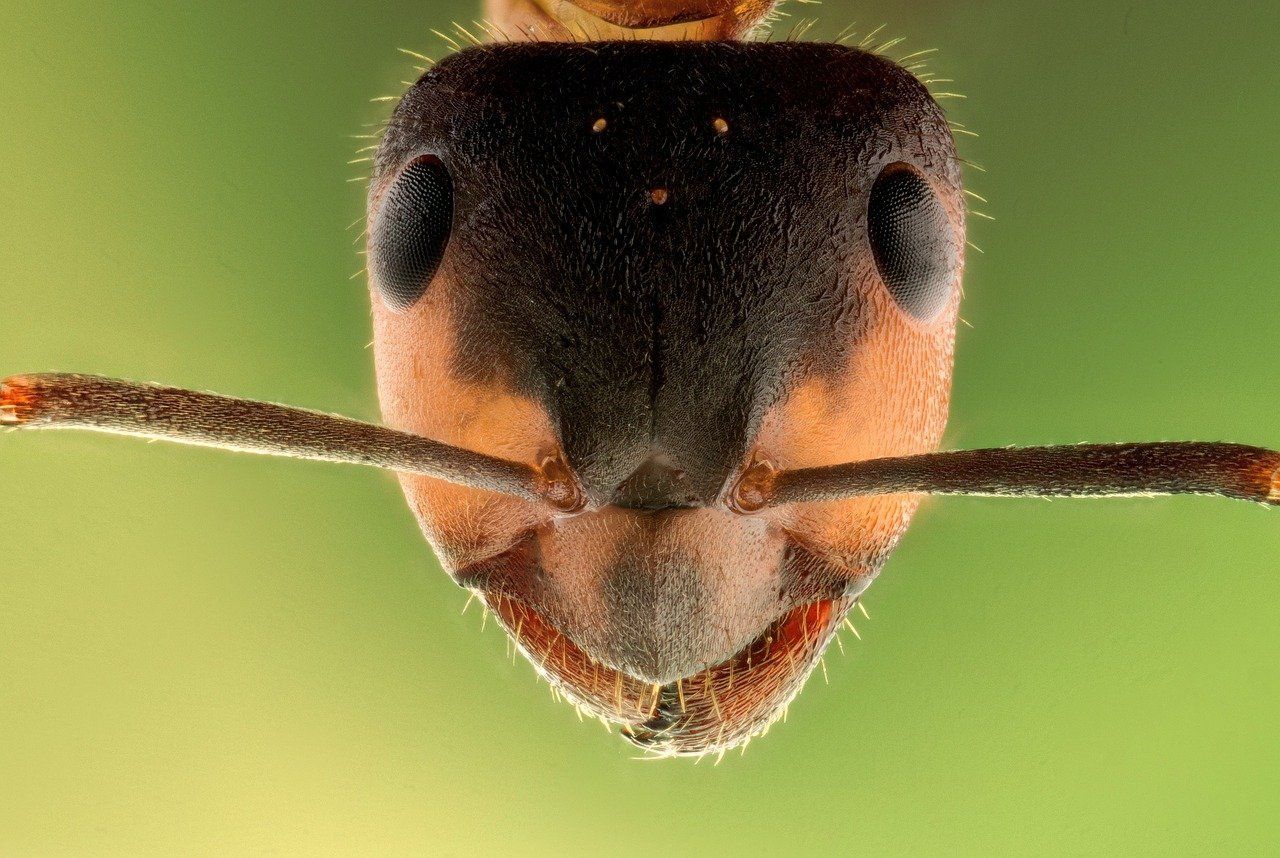
While these pests are tiny, and in rare occasions just a minor nuisance, they can quickly become an annoying problem. This is because ants are e-v-e-r-y-w-h-e-r-e ( Mallis Handbook of Pest Control, 10th Edition ). Ant colonies can be small (rare) or they can be almost never-ending (common). Determining what type of ant you have (out of the 12,000 or so species that exist), is something a trained pest control professional can do for you. They can also identify the best way to treat for them based on species, where they’re found, and the problems you’re having. Having a professional treat them is often key to tackling the issue, but with a potentially never-ending nest, they can cause a lot of work! So why am I fascinated by these pests? Because ants are an enigma. While they can often be predictable, they can also be a mystery. For example, carpenter ants that I’ve seen over the years always stick to a line. They leave the nest, enter homes (burrowing while they do), and then head right back out to the nest. They don’t wander, giving me a predictable, sometimes quick, way to treat them. But other ant species can be all over the place. They remind me of our lab we had years ago, who would often lose focus and change direction. With so many unknowns, I sometimes feel like I’m solving a puzzle (or two or three). The first part of the puzzle is identifying the type of ant, the second part is understanding their behavior, and the third part is using tactics to treat them. When a customer calls with an ant issue, I never fully know what to expect. I might easily find their nest, or I may need a couple of visits to determine where they are coming from. It’s much easier when a customer can see a trail of ants, but when homeowners only see one or two, it can be difficult to learn where they’re coming from. At Lemke Pest, we treat for ants but always acknowledge they may become a long-lasting issue. We use the tricks in our arsenal to bring down the population, but also know that ant colonies can be absolutely massive, or there can be several satellite colonies involved. All of these unknowns creates a problem for us to solve, and while it’s rarely a quick-fix, during our thorough investigation we can usually find the source and eventually control the population. In the words of Spock, it’s “fascinating.” Photo source: Virvoreanu-Laurentiu
By Scott Lemke March 22, 2021
A recent pest management podcast talked about how horrible it can be to get rid of ants. As someone with over 18 years of experience, I’ve experienced this issue first hand. The fact that ants are so prevalent means that most people have experienced these pests before. There are many, many kinds of ants (over 12,000 species, according to the Mallis Handbook of Pest Control ). But the type that homeowners really tend to hate are carpenter ants. When customers call about carpenter ants, these are some of the top questions I get. “Is there a queen in my house?” More often than not, queens aren’t living in your homes, rather their worker ants are foraging for food in your home, and then heading back outside. The queens are often in nests, which can be in trees, firewood piled in the backyard, or even inside railroad ties used for landscaping. “Will they really eat away at my house?” These ants aren’t actually eating, but instead they burrow in walls and structures, creating “galleries.” These tube-like areas can be found in walls, porches, decks, etc., and will still cause damage to structures. “Can I follow their trail?” Yes! These pests rely heavily on pheromone trails to get to and from their nest. Trained pest control technicians are great at finding the trail systems to provide treatment. “Should I just tear down the house?” No! Sometimes there’s a large colony involved, so there’s not a quick fix, but regular treatment can help get the population under control. “Can you take care of these pests?” Absolutely! Give us a call or visit us online at www.lemkepest.com .
By Scott Lemke March 16, 2021
It’s a common question I receive from friends and family: “How do I avoid getting bed bugs?” And my answer is always the same: “Assume every hotel, every private rental, and every other place you stay has bed bugs, then check the room thoroughly.” After years of experience with these traumatizing critters, I know that they don’t necessarily discriminate between clean or dirty surroundings, nor do they care if the place you’re staying at is high-end or bargain-bin. And regardless of where they are, they always- ALWAYS- like to travel with you! So my advice to people is simple: do the complete check before you settle in for the night. Scott’s Hotel Room Checklist When you walk in the room, do not put any bags or luggage on the beds or seating. Instead, try and keep them at the entry of the room or on a luggage dolly. Pull out your flashlight (the one on a phone works well) and begin your search. If you see a sign (listed below), stop your search and get a new room. With each new room, do a complete new search. First place to check is the beds. Pull back the blankets, sheets, and mattress cover (if possible). Look in the cracks and crevices of the mattress- this is where the bugs like to hide and it’s often where you can spot evidence of bed bugs. I always tell people to look for black specks (as if someone sprinkled pepper on the bed): this is a sign of bed bug activity. The specks are actually tiny spots of blood or fecal material. The next place to look is near the bed, including the wall and headboard. In many cases, the headboard is removable from the wall. If possible, I like to take the headboard off the wall and do a really good search around the backside of the board. If the room has wallpaper, I look in the creases of the paper. I will also check around any light fixtures or wall hangings. Once the bed and wall is clear, I check the nightstand. Bugs can travel from the bed to any nearby furniture, so open drawers and check inside the dark places of the furniture. If I can’t see any visible signs of bugs so far, I typically feel like the room is OK for me and my family. But if I see questionable evidence (for example, a speck or two of black on a mattress), then I also like to check the seating in the room. Bugs can infest an upholstered chair, too, waiting for their chance to travel to a nearby person in the middle of the night. In my eighteen years of doing pest control, I have continuously checked hotel rooms, except for two times. In both cases, either by exhaustion or excitement, I did not do a thorough job and found myself in a room with bed bugs. It can be a traumatic, disgusting experience, and one that will never repeat (or my family will stop traveling altogether!). Take the time to check your room, and if you see an issue, get a new room. This way you can “sleep tight and don’t let the bed bugs bite.”
By Scott Lemke October 23, 2020
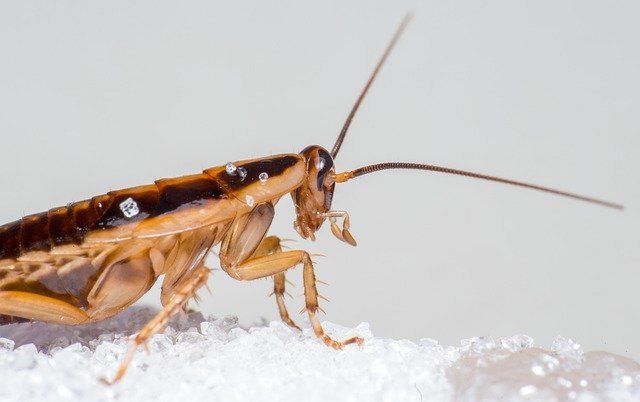
It may be hard to believe, but southeastern Minnesota has a significant roach population. Why? Because one of the popular roaches found here are German cockroaches, which tend to really thrive indoors. German cockroaches are smaller than many of their species counterparts, but they excel in one particularly horrifying area: reproduction. According to my well-used Handbook of Pest Control (by Arnold Mallis), when German cockroaches disperse their egg capsules, up to 40 tiny cockroaches are on the verge of hatching. Female cockroaches drop these egg casings in secure sites, most often hidden from view. These casings can typically be found near moist, higher-temperature areas, such as refrigerators, microwaves, toasters, and other warm locations. About 21 days after the egg capsule is released, the tiny baby cockroaches hatch. In just 35 days, these babies are old enough to start reproducing on their own. If conditions are just right, this can be much sooner. And, unfortunately, they thrive year-round. As long as these pests have food, water, and a place to hide, they're happy. This means that hundreds can often be found in tight, tiny spaces, no matter what time of year.
By Scott Lemke September 10, 2020
Asian Lady Beetles (Harmonia axyridis) can be found throughout southeast Minnesota, often invading homes when cooler temperatures start to arrive. These pesky pests have the ability to find a warm spot over the winter months and reemerge in the spring when temperatures warm up. At Lemke Pest Control, we tend to start receiving calls about Asian Lady Beetles around the same time soybeans are harvested. Our typical call volume for this type of pest happens as early as mid-September each year. Over the years, we've found that it's best to treat for Asian Beetles in the fall: to bring the population down before winter sets in. Without appropriate treatment, the Asian Beetle often heads for attics, wall voids, and beneath siding, all of which provide cover for the winter months. Call us at 507-259-8123 to learn how Lemke Pest Control, LLC can keep your home pest-free.
By Karen Lemke September 1, 2020
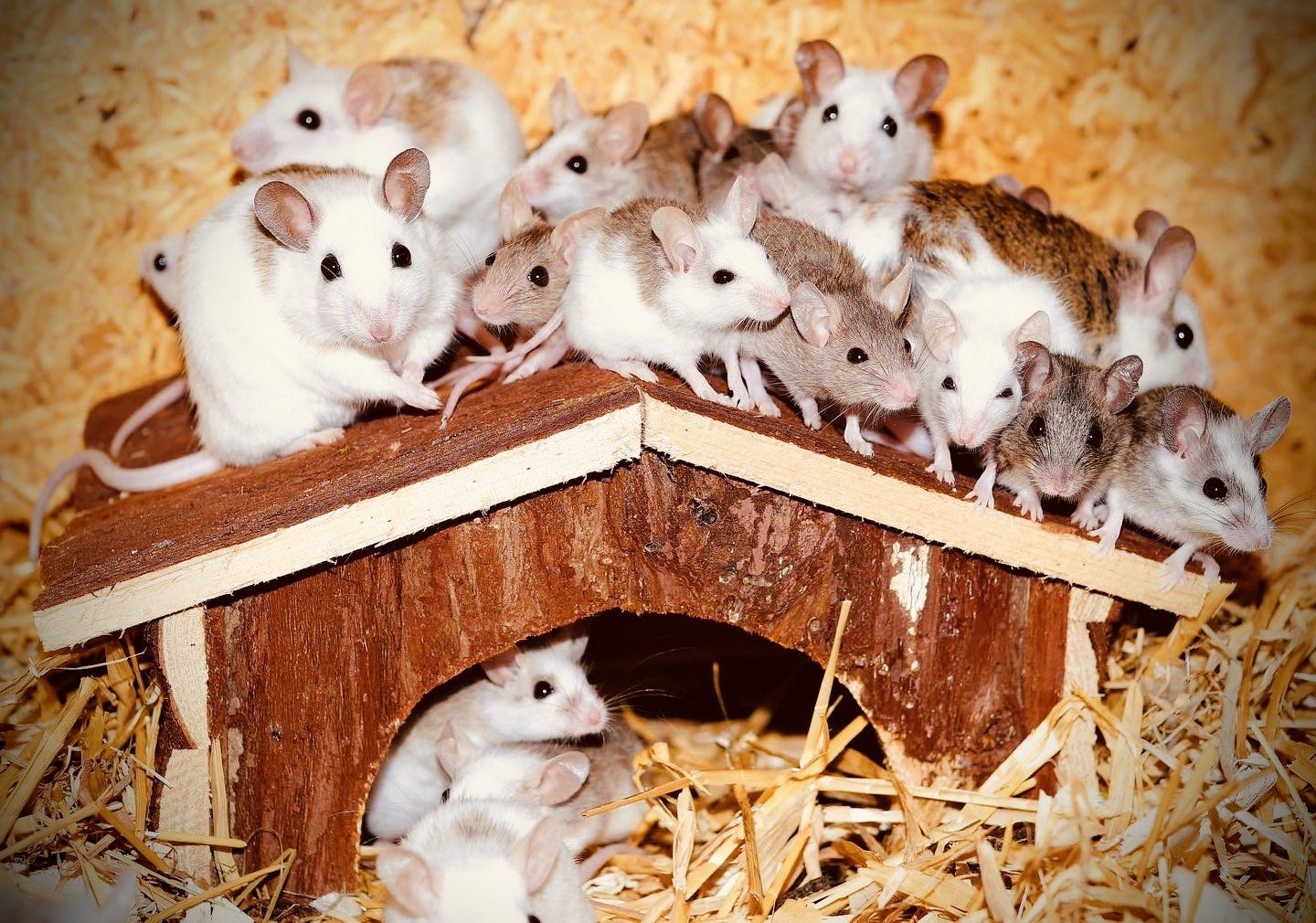
Mice can be incredibly bothersome when they get into your home, but they can also multiply rapidly.